
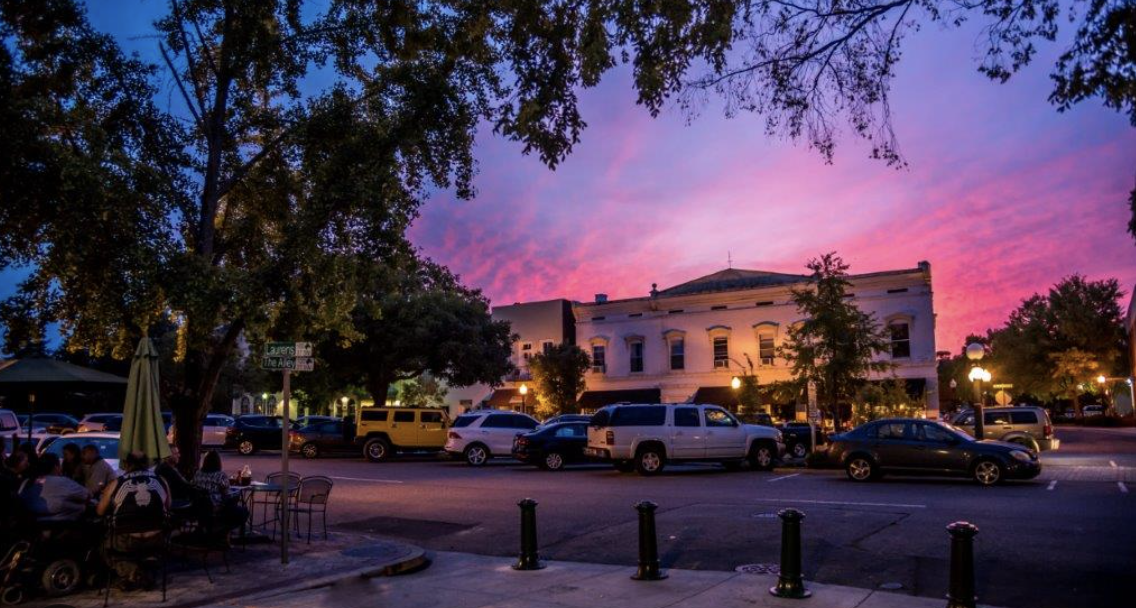
Aiken, South Carolina stands at a pivotal moment. The city's strategic location, rich history, and quality of life have converged to create one of the most compelling growth stories in the Southeast. For developers, builders, and investors seeking opportunities in a market that balances established character with forward momentum, Aiken presents a landscape worth understanding.
The numbers tell part of the story, but the real narrative lies in how this community is managing its expansion—thoughtfully, deliberately, and with an eye toward lasting value.
The Foundation of Aiken's Growth
Aiken's current growth trajectory isn't accidental. It's built on fundamental strengths that create sustainable development opportunities rather than speculative bubbles.
The city's proximity to Augusta, Georgia—just 20 miles away—positions it within the economic influence of a major metropolitan area while maintaining its distinct identity. This adjacency matters. Professionals working in Augusta's cybersecurity sector, medical district, and manufacturing facilities are increasingly choosing Aiken for its combination of accessibility and small-town character.
Population data reveals the momentum. Aiken County has grown steadily over the past decade, with projections indicating continued expansion through 2030. This isn't explosive growth that strains infrastructure overnight. It's measured, manageable growth that allows for thoughtful planning and quality development.
Economic Drivers Creating Opportunity
Several economic forces are fueling Aiken's expansion, each creating distinct opportunities for development:
- Savannah River Site: This Department of Energy facility employs thousands and attracts highly skilled professionals seeking quality housing options
- Equestrian industry: Aiken's reputation as a premier equestrian destination brings affluent residents and visitors, supporting both residential and hospitality development
- Manufacturing expansion: New industrial investments in the region create demand for workforce housing and commercial infrastructure
- Retiree migration: Favorable tax policies and climate draw retirees with purchasing power, particularly from the Northeast
- Healthcare growth: Expanding medical facilities create employment opportunities and drive ancillary commercial development
Where Growth Is Happening
Understanding Aiken's growth requires knowing its geography. Development isn't uniform across the county—it's concentrated in specific corridors and communities, each with distinct characteristics.
The Whiskey Road corridor has emerged as a significant commercial growth area. New retail, dining, and service businesses are establishing themselves along this thoroughfare, responding to residential expansion in surrounding neighborhoods. For commercial developers, this corridor represents one of the most active opportunities in the market.
Residential Development Patterns
Residential growth in Aiken follows clear patterns shaped by buyer preferences and available land. Established neighborhoods near the historic downtown maintain their appeal for buyers seeking walkability and character. These areas see renovation and infill opportunities rather than large-scale new construction.
The real volume of new residential development occurs in suburban and semi-urban areas where land availability meets infrastructure capacity. Neighborhoods in these zones attract families and professionals who prioritize space, newer construction, and proximity to schools while maintaining reasonable commute times to employment centers.
The key for developers is matching product to market segment. Aiken's buyer base includes distinct groups with different needs: young families seeking starter homes, established professionals wanting custom builds, retirees downsizing to maintenance-friendly properties, and equestrian enthusiasts requiring acreage.
Infrastructure and Planning Considerations
Growth means nothing without infrastructure to support it. Aiken's approach to infrastructure development directly impacts the viability and timeline of construction projects.
The city and county have made substantial investments in road improvements, water and sewer expansion, and public facilities. These aren't just government initiatives—they're signals about where growth is supported and where capacity exists for new development.
Utility availability determines feasibility for many projects. Areas with existing water and sewer access command premium prices and move through development approval faster. Properties requiring extension of services face longer timelines and higher costs, which must factor into project economics.
Regulatory Environment
Aiken's regulatory environment balances growth facilitation with community character preservation. The city has established design guidelines for certain districts, particularly in areas adjacent to the historic downtown. These guidelines ensure new construction complements existing architecture rather than clashing with it.
Developers working in Aiken need to understand the distinction between city and county jurisdictions. Requirements, review processes, and timelines differ significantly. Properties within city limits follow one set of regulations; county properties operate under different rules. This jurisdictional awareness prevents costly delays and redesigns.
Market Dynamics and Demand
Market conditions in Aiken reflect broader regional trends while maintaining local characteristics. Understanding these dynamics separates successful projects from struggling ones.
The residential market has remained strong, supported by consistent demand across multiple price points. Entry-level homes priced for first-time buyers face competitive bidding in many cases. The mid-range market, typically $300,000 to $500,000, sees steady absorption as professionals relocate to the area or existing residents upgrade.
The luxury segment, particularly properties associated with equestrian amenities or significant acreage, operates on longer timelines but maintains a dedicated buyer pool. These properties aren't commodity housing—they're lifestyle acquisitions for buyers with specific requirements and the resources to wait for the right property.
Commercial and Investment Properties
Commercial development in Aiken follows residential growth, serving expanding populations with retail, dining, services, and office space. Mixed-use development is gaining traction, particularly in areas where walkability and live-work-play environments align with buyer preferences.
Industrial and flex space demand has increased with regional manufacturing growth. Distribution and light industrial facilities benefit from Aiken's location between major interstate corridors and proximity to Augusta's logistics networks.
Medical office and healthcare-related commercial space represents another growth sector. As Aiken's healthcare facilities expand, demand for complementary medical offices, rehabilitation facilities, and senior care options increases correspondingly.
Challenges in a Growing Market
Growth creates opportunity, but it also brings challenges that developers must navigate effectively. Acknowledging these realities is part of building projects that succeed long-term.
Material costs and availability affect every construction project. Aiken's growing market doesn't insulate developers from supply chain disruptions or commodity price fluctuations. Building realistic contingencies into project budgets isn't pessimism—it's professional planning.
Skilled labor availability remains an ongoing concern. As construction activity increases across the Southeast, competition for qualified tradespeople intensifies. Developers with established relationships and reputations for professional operations maintain advantages in securing and retaining quality crews.
Managing Community Impact
Aiken residents value their community's character. Development that ignores this reality faces resistance, delays, and reputational damage. Successful developers approach projects with community impact as a priority, not an afterthought.
This means engaging with neighbors early, addressing concerns transparently, and designing projects that add value to their surroundings. It means considering traffic patterns, preserving natural features where possible, and ensuring construction activities minimize disruption.
The developers who thrive in growing markets like Aiken are those who recognize that community goodwill is an asset with measurable value. Projects that contribute positively to neighborhoods sell faster, maintain value better, and lead to future opportunities.
Long-Term Value Creation
The most significant question for anyone investing in Aiken's growth isn't about current conditions—it's about trajectory. Where is this community heading, and will projects developed today hold value decades from now?
Aiken's fundamentals support optimism. The economic drivers fueling current growth aren't temporary. The Savannah River Site operates on government timelines measured in decades. The equestrian industry is woven into the community's identity. The region's location advantages won't change.
But long-term value requires more than favorable conditions—it demands quality execution. Properties built to minimum standards will age poorly. Developments that disregard context will feel dated quickly. Investment in thoughtful design, durable materials, and appropriate infrastructure isn't optional for projects intended to stand the test of time.
Building for Generational Impact
The projects that matter most aren't just buildings—they're contributions to community fabric. This perspective shapes every decision, from site selection to material choices to landscape design.
In Aiken's established neighborhoods, this means respecting scale and character while delivering modern amenities. In suburban developments, it means creating neighborhoods with connectivity and gathering spaces rather than isolated lots. In commercial projects, it means designing buildings that enhance their surroundings and serve evolving business needs.
This approach takes longer and costs more upfront. But it creates properties people want to buy, tenants want to lease, and communities welcome. That's the definition of sustainable development.
The Path Forward
Aiken's growth story is still being written. The next chapter will be shaped by developers, builders, investors, and community members who recognize the responsibility that comes with expansion.
Opportunities exist across residential, commercial, and mixed-use sectors. The market rewards quality and punishes shortcuts. Buyers and tenants in Aiken have options—they choose properties that deliver genuine value and developers they trust to deliver on commitments.
For those willing to invest time in understanding this market, build relationships within the community, and commit to projects that contribute lasting value, Aiken presents compelling possibilities. This isn't a market for speculation or quick flips. It's a market for serious developers building for the long term.
Growth brings change, but it doesn't have to compromise character. In Aiken, the developers who succeed will be those who recognize that progress and preservation aren't opposing forces—they're complementary objectives that, when balanced correctly, create communities people are proud to call home.
Ready to explore development opportunities in growing markets like Aiken? Our team brings decades of experience building projects that deliver value to investors and communities alike. Let's discuss how thoughtful development can meet your objectives while contributing to lasting community impact.