
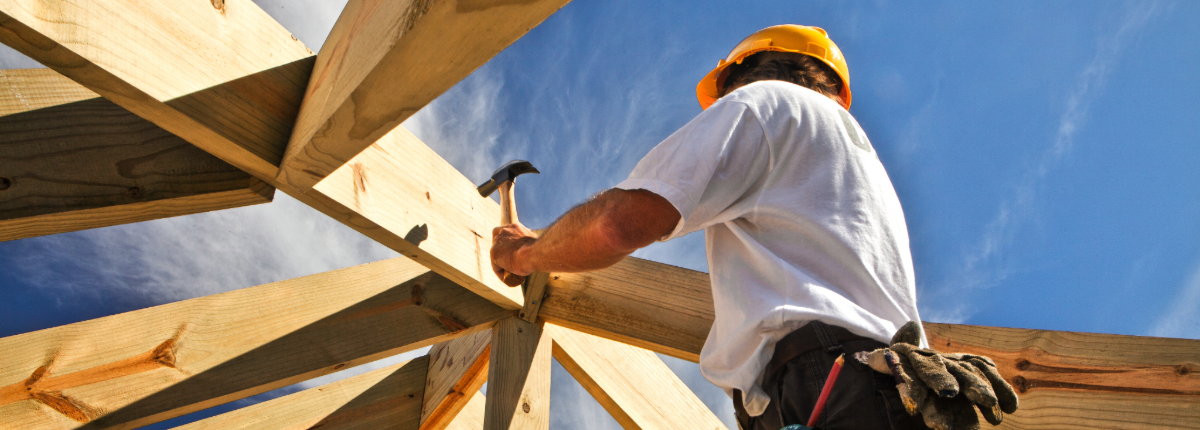
The houses being built today in Winchester and throughout our region will still be standing decades from now. The question isn't whether they'll survive—it's how well they'll perform, what they'll cost to maintain, and whether they'll hold their value when it matters most.
Every construction decision carries long-term consequences. The foundation system selected, the framing lumber chosen, the HVAC unit installed—these aren't just line items on a budget. They're investments in your home's future performance, efficiency, and market value.
When builders cut corners, the savings are immediate and visible on the bottom line. The costs reveal themselves slowly, compounding over years until they become impossible to ignore. Let's examine exactly how today's builder decisions shape tomorrow's home value.
Foundation Shortcuts That Surface Years Later
A home's foundation does more than support the structure above it. It determines how well the building resists settlement, manages moisture, and maintains its structural integrity through decades of freeze-thaw cycles and soil movement.
Inadequate site preparation and insufficient drainage systems represent two of the most common—and most expensive—shortcuts builders take. Proper excavation, grading, and compaction require time and expertise. Skipping these steps might save a few thousand dollars during construction, but the consequences accumulate relentlessly.
The Ten-Year Foundation Reality
By year ten, homes built on poorly prepared sites often show clear evidence of their compromised beginnings. Foundation cracks widen beyond hairline status. Doors and windows stick in their frames. Basement moisture becomes a recurring problem rather than an isolated incident.
These issues don't just require repairs—they require disclosure during resale. A foundation with documented problems can reduce a home's value by 10-20% or more, depending on severity. Even when repairs are completed, buyers remain skeptical, and their inspectors scrutinize every detail.
Quality foundation work includes proper drainage systems, appropriate reinforcement for soil conditions, and adequate curing time for concrete. These elements cost more initially, but they maintain structural integrity and protect long-term value.
Framing Quality: The Skeleton That Determines Everything
Once the framing is covered with drywall and siding, most homeowners never see it again. That invisibility makes it a prime target for cost-cutting measures that won't be discovered until significant problems emerge.
Undersized lumber, improper spacing, and inadequate structural connections all reduce material costs. They also reduce the building's ability to handle stress, resist wind loads, and maintain square, level, and plumb tolerances over time.
How Framing Shortcuts Manifest
The effects of substandard framing become increasingly obvious as a home ages. Floors develop noticeable bounce or sag. Drywall cracks appear and reappear even after repairs. Roof lines show subtle but visible waves or irregularities.
In Winchester's climate, where we experience significant temperature swings and seasonal weather patterns, proper framing becomes even more critical. Wood expands and contracts. Snow loads stress roof systems. High-quality framing accommodates these forces; inadequate framing fights against them.
By year ten, homes with quality framing maintain their original lines and feel solid underfoot. Homes with compromised framing show their age prematurely and raise immediate concerns during buyer inspections.
The HVAC Decision: Comfort and Efficiency for a Decade
Mechanical systems represent significant upfront costs, making them attractive targets for budget reductions. The size of the unit, the quality of the ductwork, and the precision of the installation all impact long-term performance and operating costs.
An undersized system saves money at installation but runs continuously trying to maintain comfortable temperatures. Poorly designed ductwork wastes energy and creates hot and cold spots throughout the home. Rushed installation leads to refrigerant leaks, electrical issues, and premature failure.
The Ten-Year Energy Cost Calculation
Over a decade of operation, an inefficient HVAC system can cost thousands of dollars more to run than a properly sized, correctly installed alternative. That difference compounds year after year, appearing on every utility bill.
When it's time to sell, energy costs matter to buyers. A home with high utility bills relative to its size raises concerns about insulation, windows, and mechanical systems. Savvy buyers factor these ongoing costs into their offers, reducing what they're willing to pay.
Quality HVAC installation includes proper load calculations, appropriate equipment selection, well-designed ductwork, and thorough testing. These elements ensure efficient operation and comfortable performance throughout the system's lifespan.
Roofing: The Shield That Protects Everything Else
A roof protects every other investment in your home. When it fails prematurely, the damage extends far beyond shingles and decking. Water finds its way into insulation, framing, electrical systems, and finished spaces.
Corners get cut in roofing through inferior shingle quality, inadequate underlayment, improper flashing, and rushed installation. Each shortcut reduces the roof's effective lifespan and increases the likelihood of problems before replacement becomes due.
The Cascade Effect of Roofing Failures
A quality roof should perform well for 20-30 years. Compromised roofing systems often show problems within 10-15 years—just when homeowners are trying to sell or build equity.
Premature roof failure doesn't just require expensive replacement. It often reveals secondary damage to insulation, sheathing, and interior finishes. The total cost of addressing these cascading problems can easily exceed the initial savings from cheaper materials and rushed installation.
Proper roofing includes appropriate underlayment for climate conditions, quality shingles with strong warranties, carefully detailed flashing at all penetrations, and adequate ventilation. These elements work together to protect your home for decades.
Windows and Doors: Thermal Envelope Integrity
The building envelope determines how efficiently your home maintains comfortable temperatures and manages moisture. Windows and doors represent the most vulnerable points in that envelope.
Budget windows offer minimal insulation value, limited durability, and poor weather resistance. Improper installation—even of quality products—creates gaps that allow air infiltration and water penetration.
Performance Degradation Over Time
By year ten, low-quality windows often show visible deterioration. Seals fail, allowing condensation between panes. Vinyl frames crack or warp. Operation becomes difficult as hardware wears or mechanisms fail.
These problems affect more than appearance. They impact energy efficiency, comfort, and perceived home quality. Buyers notice foggy windows, difficult operation, and drafty rooms. They adjust their offers accordingly or request replacements as conditions of sale.
Quality window installation includes proper rough opening preparation, appropriate flashing, careful shimming and leveling, and thorough air sealing. These steps ensure long-term performance and protect the building envelope.
Plumbing and Electrical: The Systems Behind the Walls
Like framing, plumbing and electrical systems disappear behind finished surfaces. Their quality becomes apparent only when problems emerge—often at inconvenient times and with significant costs.
Shortcuts in these systems include undersized service panels, inadequate circuit capacity, inferior pipe materials, poor drainage design, and rushed installation that violates code requirements or best practices.
The Hidden Infrastructure Reality
Over ten years, homes reveal the quality of their hidden systems. Breakers trip frequently as electrical demand grows. Drains run slowly or back up. Water pressure varies throughout the home. Minor issues become recurring frustrations.
Modern home technology demands robust electrical infrastructure. Smart home systems, EV chargers, and high-efficiency appliances all require adequate capacity and proper installation. Homes built with minimal electrical systems face expensive upgrades to support these technologies.
Quality installations provide capacity for future needs, use appropriate materials for conditions, and follow best practices that exceed minimum code requirements. This foresight protects value and prevents premature upgrades.
Finish Materials: Where Quality Becomes Visible
While structural systems hide behind walls, finish materials face daily use and constant scrutiny. The quality of flooring, cabinetry, countertops, and fixtures directly impacts perceived home value.
Builders cut costs on finishes by selecting products at the bottom of quality ranges, using minimal quantities, and rushing installation. These savings are immediately visible on construction budgets. They become equally visible to homeowners and buyers as materials wear prematurely.
The Appearance of Age
By year ten, low-quality finishes show their limitations. Laminate countertops chip and separate. Cheap flooring wears through high-traffic areas. Cabinet doors sag on inferior hinges. Faucets leak or fail.
These visible problems signal broader quality concerns to potential buyers. When finish materials show premature wear, buyers question what else might have been compromised. That skepticism affects offers and negotiating positions.
Durable finish materials maintain their appearance and function through years of use. They signal quality throughout the home and support strong resale value even as the home ages.
Site Work and Landscaping: First Impressions That Last
The land surrounding your home affects drainage, foundation performance, and curb appeal. Proper site work establishes grades that direct water away from structures, creates stable surfaces for driveways and walkways, and provides foundations for successful landscaping.
Inadequate site work shows up quickly in our region. Poorly graded lots collect water near foundations. Unstable driveway bases crack and settle. Minimal topsoil prevents healthy landscape establishment.
The Curb Appeal Factor
After ten years, quality site work pays dividends through maintained drainage, stable hardscapes, and established landscapes. Poor site work reveals itself through persistent drainage problems, deteriorating surfaces, and struggling vegetation.
Curb appeal drives first impressions and influences buyer perceptions before they enter your home. Properties with drainage issues, cracked driveways, and poor landscapes face immediate skepticism and reduced offers.
Proper site work includes appropriate grading, adequate topsoil depth, stable base preparation, and effective drainage systems. These elements protect your investment and support strong curb appeal throughout ownership.
The Compounding Nature of Quality Decisions
Individual shortcuts create isolated problems. Multiple shortcuts create systemic issues that compound over time. A home built with compromises in foundation, framing, mechanical systems, and finishes faces problems on multiple fronts simultaneously.
By year ten, these accumulated compromises become obvious. They appear during routine maintenance, home inspections, and resale attempts. They affect enjoyment during ownership and value at sale.
The Quality Premium vs. The Repair Cost
Building right costs more initially. That premium typically ranges from 5-15% above minimum-viable construction, depending on specific choices and local market conditions.
The cost of addressing problems that emerge from shortcuts often exceeds that initial premium—sometimes significantly. Foundation repairs can cost $20,000-$50,000 or more. Roof replacements run $15,000-$30,000. HVAC system replacements cost $8,000-$15,000. These repairs provide no upgrade or improvement—they simply restore function that should have existed all along.
Quality construction delivers value throughout ownership through reduced maintenance costs, better performance, greater comfort, and stronger resale value. That value compounds over years, just as surely as problems from shortcuts accumulate.
What Buyers See After Ten Years
When you're ready to sell, buyers and their inspectors will evaluate your home with fresh, critical eyes. They'll look for evidence of quality construction and signs of compromised work.
Homes that show well after a decade of use demonstrate their quality. Systems function properly. Finishes remain attractive. Maintenance records show routine care rather than emergency repairs. These homes command strong prices and sell efficiently.
The Inspection Reality
Modern home inspections reveal details that previous generations of buyers never discovered. Thermal imaging shows insulation gaps and air leaks. Moisture meters detect hidden water problems. Electrical testing reveals inadequate capacity or unsafe conditions.
Homes built with shortcuts face increased scrutiny during inspections. Problems discovered during this process lead to renegotiated prices, repair requests, or deals that fall apart entirely. Even when sales complete, the process takes longer and generates more stress.
Quality construction withstands inspection scrutiny. Problems discovered are minor and expected for the home's age. Buyers proceed confidently, and transactions close smoothly.
Building Value That Lasts
The construction decisions made today will impact your home's performance, maintenance costs, and market value for decades. Corners cut during construction don't disappear—they simply transfer costs from builders to homeowners.
Understanding these long-term implications empowers better decisions during the building process. It provides context for evaluating builder proposals, understanding price differences, and recognizing where value truly exists.
Quality construction costs more initially because it delivers more throughout ownership. It provides comfort, efficiency, reduced maintenance costs, and strong resale value. It builds equity rather than eroding it.
Our Commitment to Lasting Value
Every home we build reflects our understanding that construction decisions have decade-long consequences. We select materials, systems, and methods based on long-term performance rather than short-term costs.
This approach means our homes cost more to build. It also means they perform better, maintain their value, and deliver lower total ownership costs over time. Our clients aren't paying premiums for unnecessary upgrades—they're investing in fundamental quality that protects their financial interests.
We document our construction process, provide comprehensive warranties, and maintain relationships with homeowners beyond closing. When questions arise or service is needed, we respond with the same commitment to quality that guided the original construction.
If you're considering building in Winchester or surrounding communities, we'll walk you through exactly how our construction decisions protect your long-term investment. We'll explain the systems, materials, and methods we use and why each element matters to your home's decade-long performance.
Contact us to discuss your project and learn how quality construction decisions today build value that lasts for decades. Your home represents a significant investment—it deserves construction quality that protects that investment throughout your ownership and beyond.